Case Studies

Improving the quality of indoor air

Volatile organic compounds (VOCs) are a type of organic chemical commonly found in furniture, carpets and paints used indoors. VOCs easily evaporate at room temperature into the air, and given that some are known to cause respiratory problems, the ability to reliably control exposure to VOCs is crucial to protecting public heal...

read more

Supporting the Water Framework Directive

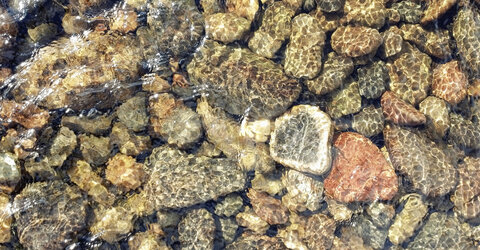
The Water Framework Directive specifies a list of 33 priority water pollutants which present a significant risk to or via the aquatic environment. The Environmental Quality Standards (EQS) Directive specifies maximum allowable concentrations of these pollutants in surface waters such as rivers, lakes and coastal waters. EU memb...

read more

Supporting biofuel-ready vehicles

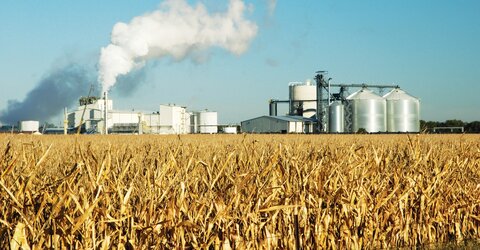
Biofuels are gradually being introduced across Europe’s transport sector through low-level blending with conventional fuels – of bioethanol in petrol and biodiesel in diesel. Ahead of large-scale implementation, given the significantly different chemical and physical properties of biofuels, we need a better understanding of how...

read more
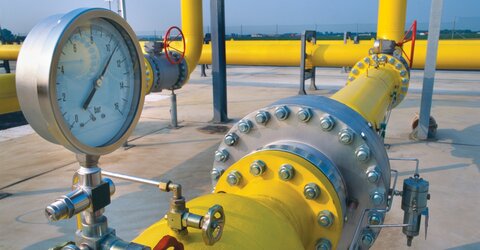
Image showing a Manometer

Future-proofing Europe’s gas networks

Gas pipeline networks are highly complex transmission and distribution systems used to move gas across states, countries or even continents. It is important that gas quality is maintained throughout the network and remains within the requirements set by international natural gas quality guidelines. The presence of water in ene...

read more

Ensuring biogas quality for gas grids

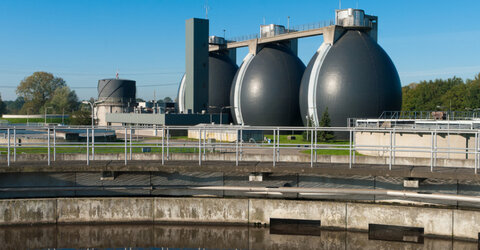
Biogas production and its upgrade to biomethane have the potential to reduce Europe’s dependency on imported natural gas. In 2017, 65 000 GWh of biogas generated electricity and 18 000 biogas plants contributed to energy supply diversification. Biogases are produced by digesting a variety of industrial waste streams high in org...

read more

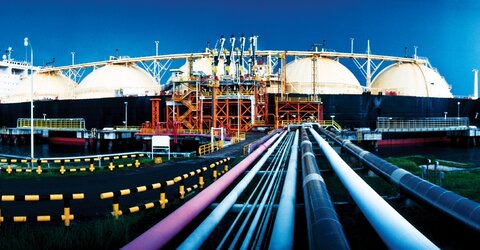
Diversifying Europe's energy supply

LNG is formed when natural gas is cooled to approximately -162 °C, and occupies around 1/600th of the volume of natural gas in its gaseous state. This makes LNG more economical to transport over large distances, and facilitates the supply of natural gas from new sources where no pipeline infrastructure exists. The environmental...

read more
Logo-Footer Element 2